The box story is no longer just about Amazon using smaller packaging. US corrugated box demand has weakened enough that 2025 shipments fell to their lowest per-capita level in decades, while domestic pulpwood prices have collapsed in several major timber regions.
Cardboard box demand is one of the cleanest reads on the real goods economy. E-commerce was supposed to send it to the moon.
Instead, US box shipments per capita just hit a record low, below where they were in 1999. Southern pine pulpwood now fetches a 40-year low, and in some… pic.twitter.com/y9JVZ2jVQN
— Kurt S. Altrichter, CRPS® (@kurtsaltrichter) August 30, 2026
The world ordered fewer drinks. Distillers stocked for a party that never showed up.
U.S. whiskey barrels now hold ~10 years of sales, up from 5.5 in 2012. Diageo is cutting distilling 50% to work it off.$DEO and Pernod already trade at 2009 crisis multiples. Looks cheap. A… pic.twitter.com/Iu4SHLdjuF
— Kurt S. Altrichter, CRPS® (@kurtsaltrichter) August 31, 2026
US box shipments hit unusually weak levels as corrugated demand loses ground
US corrugated box shipments have remained under pressure despite continued e-commerce activity. The weakness is showing up across packaging producers rather than being isolated to one Amazon supplier.
Southern timber prices collapse as pulpwood demand weakens
https://www.timberindustrynews.com/southern-pine-pulpwood-prices-hit-record-low/
Southern pine pulpwood prices have fallen to levels not seen in decades in some markets. Weak paper demand, mill closures and competition from recycled fiber are leaving timber owners with fewer buyers.
Diageo cuts production as whiskey inventory builds
Diageo is cutting production at several US distilleries as American whiskey demand slows and inventories remain elevated. The company has been reducing output to bring stocks back toward more normal levels.
Diageo warns US spirits demand remains weak
https://www.ft.com/content/7d3f2d0f-8a1b-4c6d-9e5f-3a8e6e2e5e25
Diageo continues to face weak US spirits demand, particularly among younger consumers. The company is dealing with excess inventory while trying to avoid aggressive discounting that could damage premium brands.
The U.S. consumer could finally be cracking. Retail sales dropped 0.6% in July, while core sales also fell 0.4%, raising new concerns that persistent inflation and depleted savings are beginning to catch up with American households.
That matters enormously for housing. Consumer spending supports jobs, jobs support mortgage payments, and mortgage payments support home prices. If spending continues to weaken and unemployment rises, today’s housing downturn could become significantly more severe.
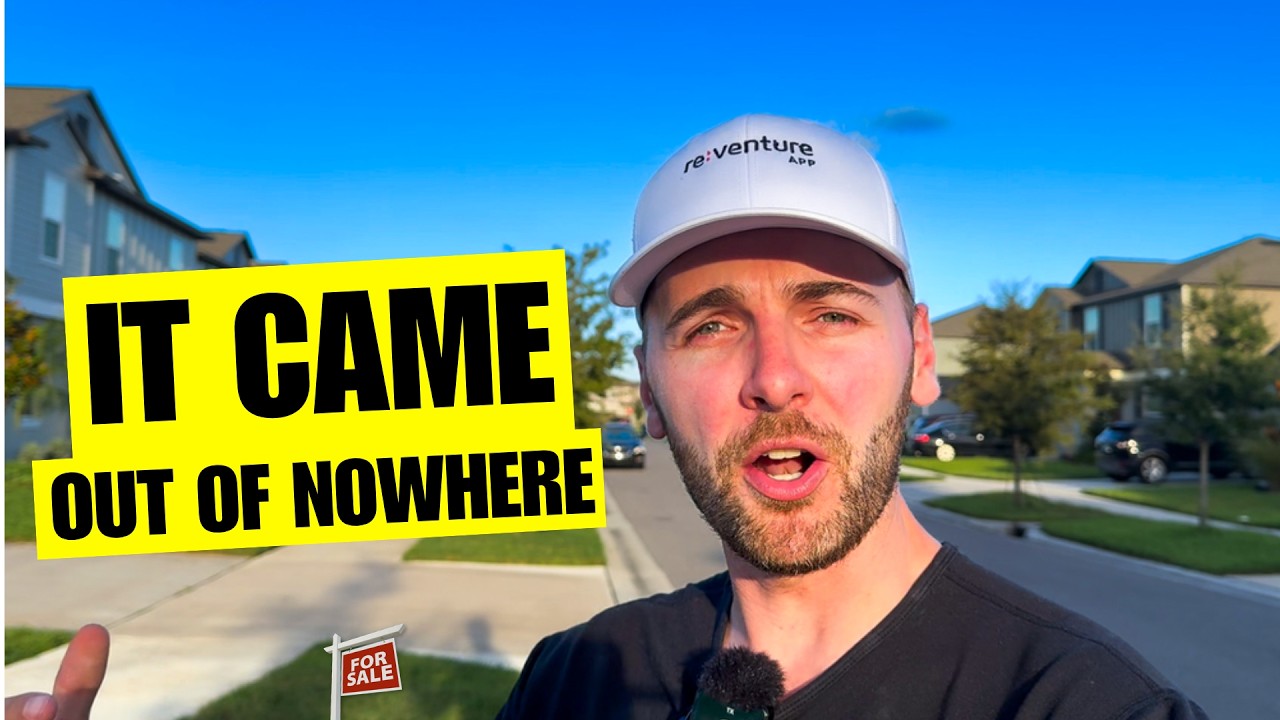
I’m on the ground north of Tampa, Florida, where some sellers are already taking massive losses. One short sale was purchased for $525,000 in 2024 and is now listed for $410,000, a $115,000 decline. Another investor-owned home nearby is being listed roughly $30,000 below its 2024 purchase price.
Meanwhile, builders are still adding supply in Pasco County. New-home inventory nationally is sitting around 9 months, a level historically associated with recessionary periods. In Pasco County, inventory has more than doubled in three years, prices are already down 7–10%+ from peak in some areas, and our forecast suggests additional declines could be coming.
Builders such as DR Horton and Lennar are still building in Florida, and in some cases, homes are still selling, by the ‘sold’ signs in the community. However, one has to wonder how much longer they will build in this market if they
Got a news tip or correction? Let us know
If you got something out of this, please chip in to keep this site running, or subscribe to go ad-free.
113 views