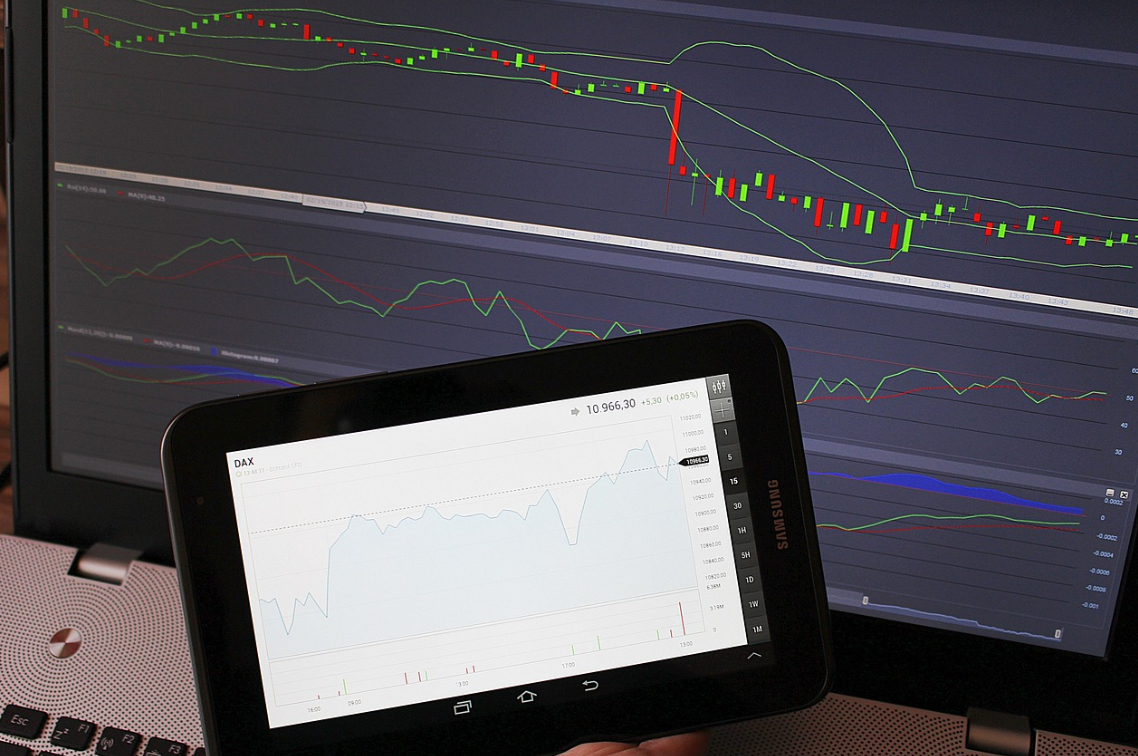
Managing a single futures account is hard enough. Add a second broker login, a prop-firm evaluation account, or a separate account for a different strategy, and execution can turn into a daily bottleneck. The market does not wait while you re-enter orders, double-check quantities, or wonder whether you clicked buy in the right window.
Cloud-based trade copiers help by replicating orders from a leader account to one or more follower accounts in real time. Used correctly, they reduce manual errors, improve consistency, and free up attention for preparation and risk management.
Why multi-account execution breaks down
Most multi-account problems are not about strategy. They are about process.
– Manual repetition invites mistakes such as wrong size or missed bracket orders.
– Timing differences create inconsistent fills and uneven risk.
– Switching platforms increases cognitive load when you should be monitoring price action.
– Scaling becomes messy as you add accounts and try to keep exposure aligned.
Over time, these frictions become a hidden cost. They do not show up as a platform fee, but they can show up as missed entries, uneven position sizing, and avoidable stress during fast markets.
What a cloud trade copier does
A trade copier is not a signal service and it does not predict markets. It is infrastructure. You place a trade once, and the software mirrors that action across connected accounts.
A cloud-based approach reduces dependence on a single local machine. Instead of running everything on one desktop setup, the copying logic operates through a hosted environment designed for continuous syncing.
TradeSyncer is one example, built to synchronize trades across multiple accounts and brokers in real time. The platform cites 300M plus trades synced, which suggests it has been used in high-volume conditions where reliability matters.
Where trade copiers help most
Common scenarios include:
- Prop firm evaluations and funded accounts where consistent execution matters.
- Multiple brokers for redundancy or product access.
- Strategy separation when the same idea needs controlled sizing across accounts.
- Small teams where one trader executes and others follow.
A practical example is a trader running an evaluation account and a personal account side by side. Without copying, the trader may enter the first trade cleanly, then rush the second entry and end up with a different stop distance or contract size. Copying helps keep the plan consistent.
What to check before choosing one
Before committing, focus on:
– Reliability under load during busy sessions
– Latency and consistency in follower updates
– Multi-broker fit for your setup
– Risk controls such as sizing rules and max exposure limits
– Operational simplicity for setup and monitoring
If your goal is to reduce execution friction while keeping control, it is worth evaluating a purpose-built option like the best futures trade copier for real-time multi-account synchronization.
The bigger takeaway
Trade copiers do not create edge by themselves, but they can protect the edge you already have by making execution repeatable. For traders scaling beyond one account, the key is building a workflow that handles complexity without adding new risk.
Disclaimer: This is a paid advertorial
Got a news tip or correction? Let us know
If you got something out of this, please chip in to keep this site running, or subscribe to go ad-free.
0 views