🚨🇪🇺🇵🇱🇺🇦🇷🇺 BREAKING: The Government of Poland has begun distributing MANDATORY DRAFT Mobilization Cards to all Citizens above the age of 18!
RED CARDS: Those marked “IMMEDIATELY” require the person to report within 6 hours of learning of general mobilization or the outbreak of… pic.twitter.com/WkhDBYhSLU
— Bedouin Report (@BedouinReport) November 27, 2026
Poland is sending mobilization cards to selected reservists and people assigned military support jobs. Some carry a six-hour reporting deadline if general mobilization or war is declared. Red, green and blue cards identify different assignments. This is not a draft notice going to every adult over 18.
And now Britain is doing its own version.
Britain has now written to its Strategic Reserve, roughly 95,000 former military personnel who can legally be recalled in a national emergency, an attack on the UK or preparations for war.
The heads of the Army, Royal Navy and RAF have sent letters asking former service members to update their contact details, qualifications and skills. The government says there are no current plans to mobilize them.
There’s another problem: the Ministry of Defence reportedly can’t even locate nearly half of those 95,000 people. Around 45,000 veterans have outdated or missing contact details.
And Britain is preparing to expand recall powers, potentially extending the age limit to 65. The government is also looking at getting former reservists involved in NATO’s Steadfast Defender 2027 exercise.
And look at the countries on NATO’s eastern flank.
Finland maintains a huge trained reserve and has compulsory military service for men. Estonia has a national defense system built around reserve forces. Sweden has brought back conscription and requires citizens to take part in total defense, including civilian duties.
These aren’t new emergency announcements in those countries. They’re established systems. But they’re being reinforced while Europe prepares for a much more dangerous security environment.
https://www.kaitseministeerium.ee/en/estonian-defence-forces
https://www.msb.se/en/advice-for-individuals/the-individuals-responsibility/
Poland is also expanding its civilian defense structure. A November regulation sets out how people receive civil-defense mobilization assignments and are called into service. This goes beyond the military reserve.
https://eli.gov.pl/api/acts/DU/2026/1498/text/I/D20261498.pdf
So you’ve got Poland distributing mobilization assignments, Britain trying to reconnect with tens of thousands of former soldiers, Sweden requiring total-defense participation, and NATO preparing another large exercise.
Nobody has announced a general European mobilization. Nobody has announced a new continent-wide draft.
But governments are clearly spending more time figuring out who they can call, where those people are, what jobs they can perform and how quickly they can get them into service.
The question isn’t whether Europe has mobilization laws. It does. The question is why so many governments are suddenly putting more effort into making sure those systems actually work.
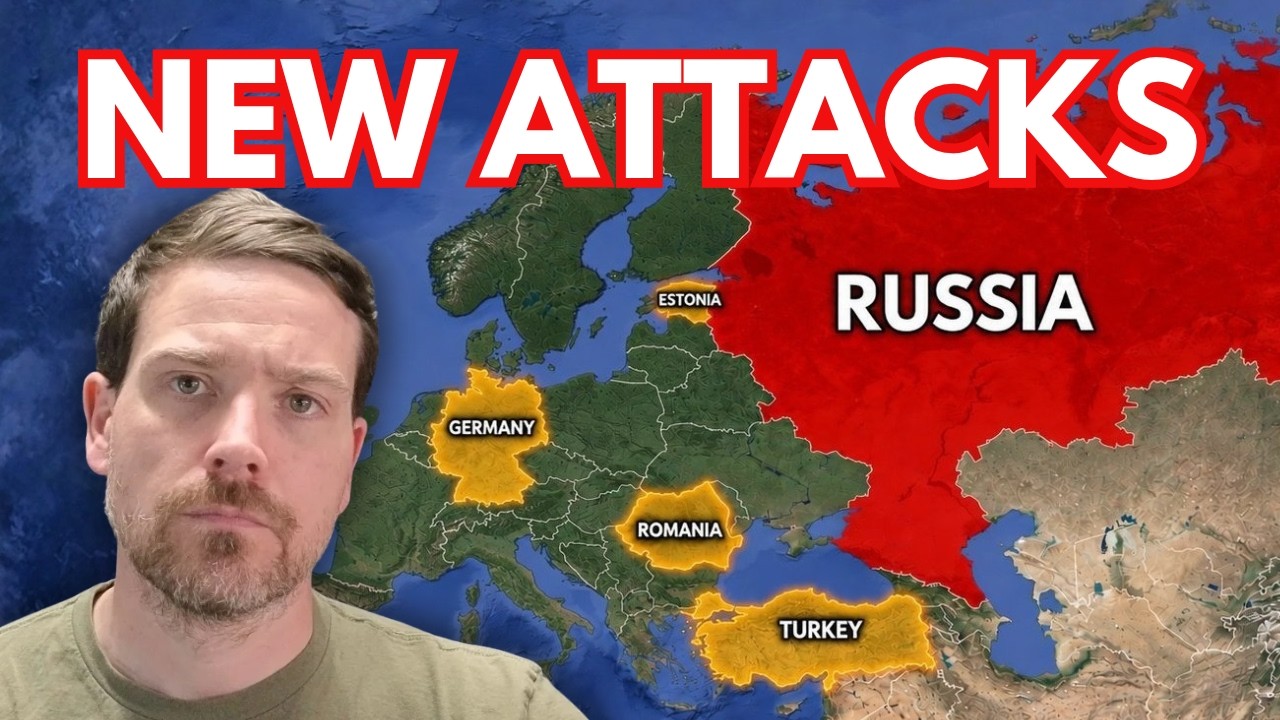
This video examines the incidents pushing NATO countries closer to direct involvement in the conflict.
If you got something out of this, please chip in to keep this site running, or subscribe to go ad-free.
1 view