Canadian home prices have fallen more than 20.5% from their early-2022 peak, approaching the 26% decline the United States experienced between 2007 and 2012 during the financial crisis. BMO chief economist Douglas Porter says Canada has avoided a similar collapse so far, but the damage may be less visible than headline GDP figures suggest. The correction follows the Bank of Canada’s aggressive rate increases through 2023, which helped push prices down roughly 16% in the first year alone. On October 9, Porter warned that prices were still drifting lower, while October 13 coverage highlighted how the housing downturn has been concentrated in Ontario and British Columbia. The Bank of Canada’s May financial stability report also warned that falling prices are squeezing homeowners who need to refinance, with Toronto and Vancouver condo markets under particular pressure. Reuters reported in April that the housing slump was already weighing on consumer spending, with CIBC economists estimating the hit could exceed C$5,000 per household. Canada has stronger mortgage stress tests and a different borrower profile than the United States had before 2008, but a prolonged housing decline can still damage household wealth, construction, consumer spending and the wider economy.
https://betterdwelling.com/canadas-housing-crash-rivals-us-in-2008-but-the-pain-is-hidden-bmo/
🇨🇦 CANADA HAS A $100,000 INCOME PROBLEM NOBODY WANTS TO TALK ABOUT.
There was a time when earning six figures meant you had made it.
Today, imagine a family in Toronto earning $100,000 combined.
🏠 Rent: $2,800/month
🛒 Groceries: $900/month
🚗 Car payment, insurance and gas:…— wealthmoose (@wealthmoose) November 1, 2026
Canadian PMI manufacturing index declines.
Canada’s manufacturing sector contracted in October for the first time this year as tariffs and geopolitical uncertainty weighed on activity, and after inflation pressures intensified.
The S&P Global Canada Manufacturing Purchasing Managers’ Index (PMI) fell to 49.6 last month from 51.5 in September, marking the first move below the 50 threshold since December. A reading below 50 indicates contraction in the sector.
• “Having enjoyed an uninterrupted run of solid growth throughout 2026 so far, Canada’s manufacturing sector ran out of steam in October,” Paul Smith, economics director at S&P Global Market Intelligence, said in a statement. “Against a backdrop of tariffs and ongoing supply-side disruption, firms reported concurrent drops in both output and new orders over the month.”
https://finance.yahoo.com/economy/articles/canadian-factory-pmi-shows-sector-143515776.html
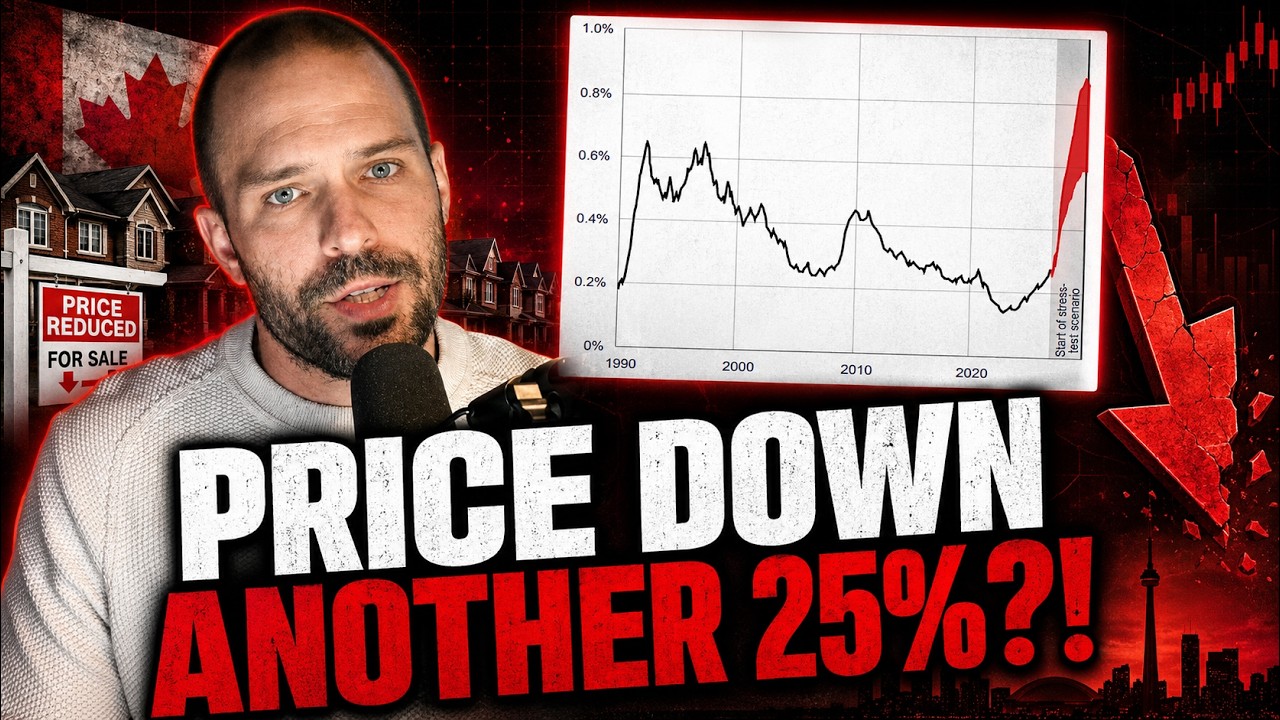
Daniel Foch breaks down the Bank of Canada’s housing stress report, including Toronto condo weakness, mortgage renewals and the risk of further price declines:
The next housing crisis won't look like 2008.
It has new names.
2008: Subprime
2025: Government-backed subprimeFHA now allows:
• 3.5% down
• 580 credit scoresThe share of these loans has DOUBLED since the last cycle and many are riddled with occupancy fraud.
— Jon Brooks (@jonbrooks) November 1, 2026
Got a news tip or correction? Let us know
If you got something out of this, please chip in to keep this site running, or subscribe to go ad-free.
14 views