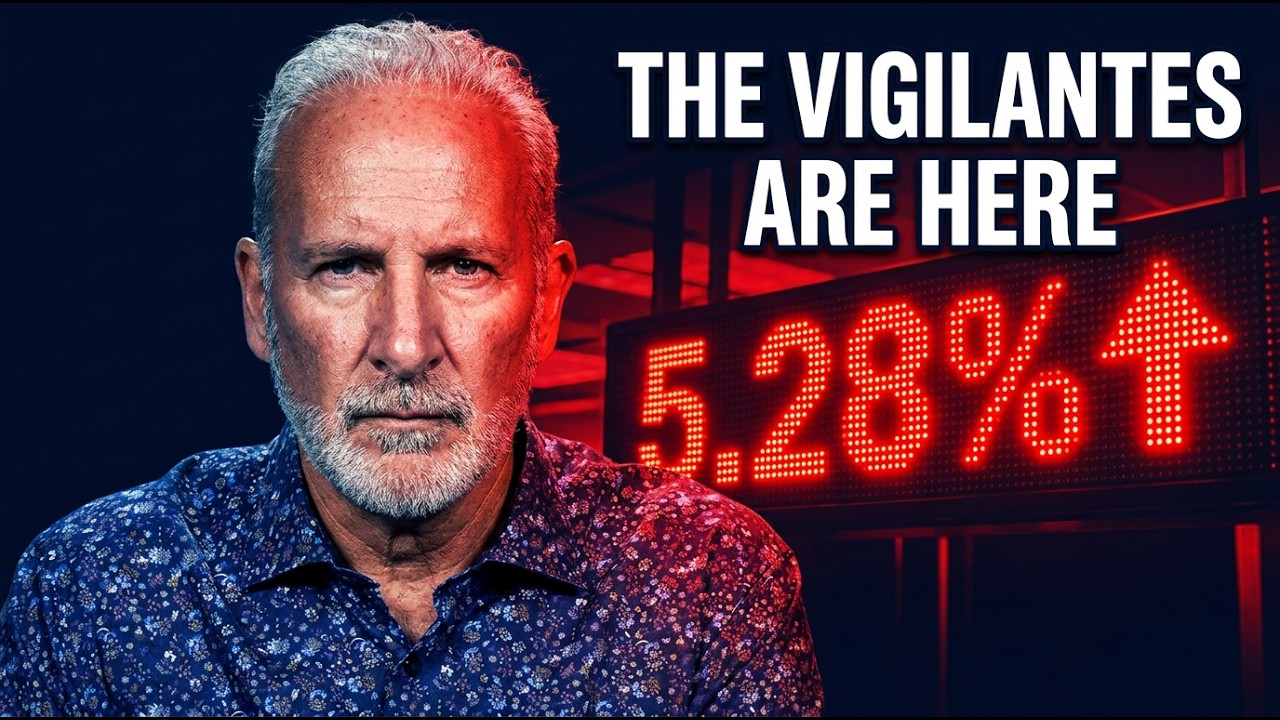
GOLDMAN SACHS DROPS DOOMSDAY STATEMENT: U.S. BONDS HAVE NO BUYERS
Goldman Sachs just admitted the long end of U.S. Treasury market is “totally bidless.”
Translation: almost nobody wants the 10- to 30-year debt the U.S. is trying to sell.
No buyers. None. Zero.
While Treasury Secretary Scott Bessent tells Congress we’re in an “illiquid period,” doubles then triples long-bond buybacks, taps the General Treasury Account to fund it and openly says “I am the house.”
Yields are surging anyway. The 10-year has pushed toward 5.3% and the 30-year is even higher, levels not seen in years while Japan, one of the biggest foreign holders, keeps selling Treasuries and bringing money home.
This was exactly warned by Japan’s
@yutokanzakireal
that the measures being prepared by Bank of Japan will affect the lives of billions of people and apologized to people of the West.
Soon after, Scott Bessent intervened and effectively took over BoJ operations which Japanese policymakers heavily criticized.
If the same ”bidless” condition hits the short-dated treasuries market, the entire U.S. debt market (and global) collapses.
The U.S. debt crisis will turn into a global liquidity crisis.
🚨 GOLDMAN SACHS DROPS DOOMSDAY STATEMENT: U.S. BONDS HAVE NO BUYERS
Goldman Sachs just admitted the long end of U.S. Treasury market is “totally bidless.”
Translation: almost nobody wants the 10- to 30-year debt the U.S. is trying to sell.
No buyers. None. Zero.
While… https://t.co/wV9AIpjr1W pic.twitter.com/Hkyn92mubc
— Stern Drew (@SternDrewCrypto) October 2, 2026
Well that weak jobs number didn’t do anything to slow down bond yields today.
The bond market is bidding yields up relentlessly higher. 💀 pic.twitter.com/kOXmYVcxsF
— QE Infinity (@StealthQE4) October 2, 2026
The 10-year yield breaks above its 2007 level
The 10-year Treasury closed around 5.297% on September 30.
That was above its previous 2007 closing high.
So we’re no longer talking about a routine move within the post-2008 interest-rate regime.
The benchmark used to price mortgages, corporate borrowing and countless financial assets is back around levels last seen before the financial crisis.
September 24, 2026 — The 30-year Treasury yield reaches a 20-year high
https://www.reuters.com/world/china/global-markets-global-markets-2026-09-24/
The 30-year yield reached more than 5.4% as the Treasury selloff intensified.
Reuters pointed to higher oil prices, inflation concerns and fiscal worries.
The important part is what happened to the curve: long-term yields were rising much faster than the short end.
That is the “bear steepening” problem.
Got a news tip or correction? Let us know
If you got something out of this, please chip in to keep this site running, or subscribe to go ad-free.
8 views