The mystery seller has now been identified: Dutch bank ING is trying to unload roughly $500 million in data-center loans in one auction. The portfolio includes 12 loans tied to Vantage Data Centers, CyrusOne and a $25 million piece of the Stargate Project in New Mexico. Bids are due November 19. That New Mexico project already has a problem: Oracle sent its developer a force majeure notice in September, seeking to delay payments if the facility is delayed. Meanwhile, Goldman Sachs and Apollo are trying to syndicate portions of a massive SpaceX chip-financing deal after committing to it before pricing. The Nasdaq 100 plunged 6.4% on Thursday, wiping out $2.3 trillion in market value. The question is no longer just how much money AI companies plan to spend. It’s whether lenders and investors will keep financing the construction.
BREAKING: A mystery seller is trying to dump about $500 million in data center loans all at once, per Bloomberg, days after the midterms raised doubts about many projects.
The anonymous seller is auctioning a dozen loans, including a $25 million piece of financing for a huge…
— unusual_whales (@unusual_whales) November 5, 2026
The AI meltdown is causing investors to seek refuge in USTs.
The problem is that AI is the main GDP growth sector.
Without AI, tax receipts plummet, deficits rise, and the Fed has to print to make up the difference…
And the last thing you want to hold during inflationary… pic.twitter.com/I9v1L69bxX
— Lukas Ekwueme (@ekwufinance) November 5, 2026
BREAKING: Walleye Capital and Engineers Gate have reportedly suffered heavy losses, liquidated all assets and shut down
— Financelot (@FinanceLancelot) November 5, 2026
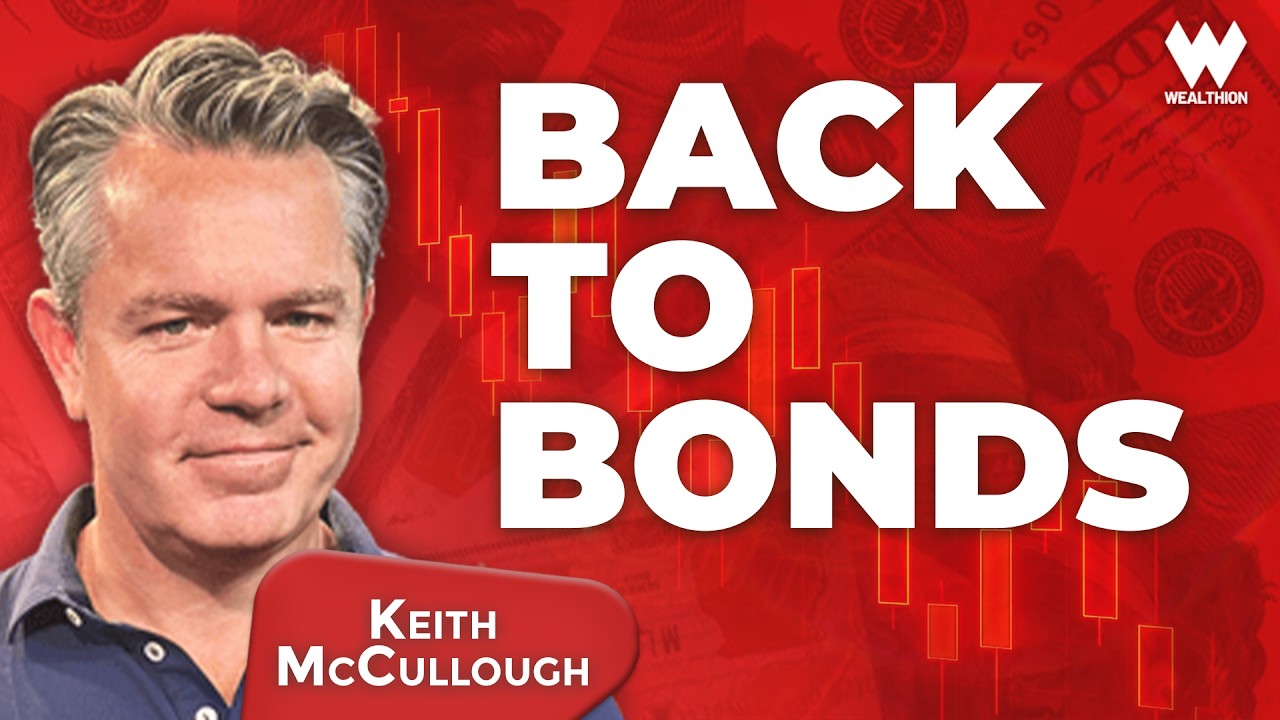
Keith McCullough, Founder & CEO of @Hedgeye Risk Management, joins Maggie Lake to explain why he believes the AI trade is already beginning to unwind — and why the next major market move may be a rotation away from today’s biggest winners.
McCullough breaks down Hedgeye’s “Quad 4” outlook for the first half of 2027, a potential environment of slowing economic growth and slowing inflation. He explains why that backdrop has pushed him toward U.S. Treasury bonds and defensive sectors, and what investors should be watching as volatility returns to markets.
The conversation also covers the growing credit and financing risks behind the AI boom, what credit spreads may be signaling about the economy and the Federal Reserve, Keith’s evolving views on oil and gold, and why investors can get into trouble by holding on too long to the assets that led the previous market cycle.
Maggie and Keith also discuss leveraged funds, retail investor behavior, bond yields, corporate profits, inflation, and the signals that could determine where markets head next.
Got a news tip or correction? Let us know
If you got something out of this, please chip in to keep this site running, or subscribe to go ad-free.
2 views